
What Is Speech Delay in Children?
Speech delay refers to a child developing speech and language skills later than expected compared to typical developmental milestones.
This can include:
- Speaking fewer words than peers
- Difficulty combining words into sentences
-
Trouble expressing needs, thoughts, or feelings
It’s important to note that speech delay is different from speech disorder. Many children with speech delay can catch up — especially with the right support at the right time.
Every child develops at their own pace. However, when delays persist, early speech delay treatment can make a significant difference.

Common Causes of Speech Delay in Kids
Speech delay does not come from one single cause. Often, it’s a combination of factors:
1. Genetic Factors
Some children inherit traits that affect speech and language development. Family history of late talking can play a role.
2. Environmental Factors
- Limited back-and-forth communication
- High screen exposure
-
Fewer opportunities for interactive play
Language grows through interaction (kid listening and responding), not passive listening.
3. Medical or Developmental Factors
- Hearing challenges
- Oral-motor difficulties
-
Neurological differences
Understanding the cause helps guide the most effective speech delay treatment approach.
Common Signs of Speech Delay in Kids
Parents may notice:
-
Limited babbling or sounds in infancy
-
Few gestures like pointing or waving
-
Difficulty following simple directions
-
Using actions or sounds instead of words
-
Frustration when trying to communicate
How do your children communicate? Some children may communicate by:
-
Looking at you
-
Reaching or pointing
-
Giving objects
-
Making sounds or echoing words
-
Using single words instead of sentences
All of these are communication attempts — and they are important starting points to observe and build up their speech from there.
Impact of Speech Delay on Child Development
Speech delay can affect more than communication.
Emotionally and socially, children may:
-
Feel frustrated
-
Withdraw from peers
-
Experience low confidence
Academically, language challenges can later impact:
-
Reading comprehension
-
Writing
-
Following classroom instructions
This is why early, supportive intervention matters — not to pressure children, but to empower them.
Smartizen’s Whole-Brain Boosting Program and Speech Delay Treatment
Our Philosophy and Goals
At Smartizen, we believe:
-
Children are not “behind” — they are developing differently
-
Speech grows best when the brain feels safe, curious, and engaged
-
Parents are partners, not spectators
Our goal is to support speech delay treatment by strengthening the whole brain, not just speech output.
Program Structure
Smartizen’s program is:
-
Weekly, structured, and age-appropriate
-
Designed for children ages 0–6
-
Led by trained educators who understand brain development
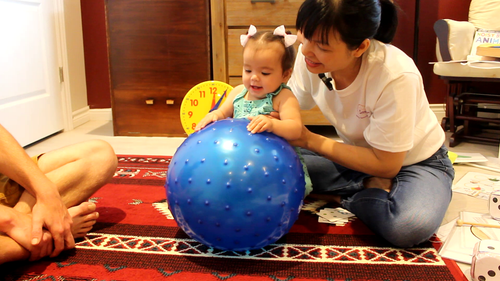
Each session blends memory, sensory play, music, movement, language modeling, and emotional support — all essential for speech growth.
Role of Parents and Caregivers
Join our forward-thinking parents group! Here, parents are guided to:
-
Understand why activities work
-
Replicate simple strategies at home
-
Observe progress with clarity, not anxiety
We don’t just teach children — we help parents feel confident again.
Techniques and Methodologies Used in Smartizen’s Classroom
Speech delay treatment at Smartizen does not look like drilling words at a table.
Instead, children learn to communicate through play, movement, memory, emotion, and connection.
Here’s what that looks like in our classroom.
1. Neuroplasticity-Based Brain Activities
Children’s brains are most flexible in early childhood. We use this window wisely.
Examples include:
-
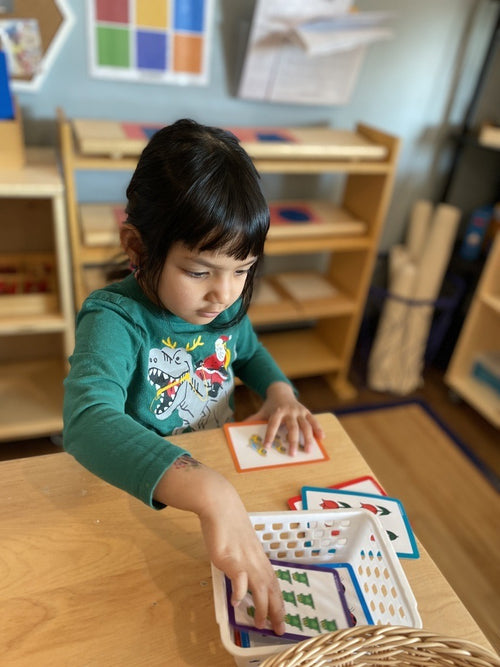
Visual memory grids where children recall pictures or objects
-
“What’s Missing?” games that encourage naming and recall
-
Sequencing activities to support storytelling and sentence structure
These activities strengthen working memory — a key foundation for speech and language.
2. Interactive, Purposeful Communication Games
Children talk when communication matters. We create natural reasons to communicate through:
-
Bubbles, wind-up toys, music boxes (children must talk/ask for help)
-
Turn-taking games that teach waiting and responding
- Offering items little by little, encouraging requests (1 block - 1 more block etc)
Instead of forcing speech, we invite it.
3. Multi-sensory Learning for Language Growth
Speech is supported by the whole body.
In our classroom, children experience:
-
Music, rhythm, and songs to support speech timing
-
Movement-based language games
-
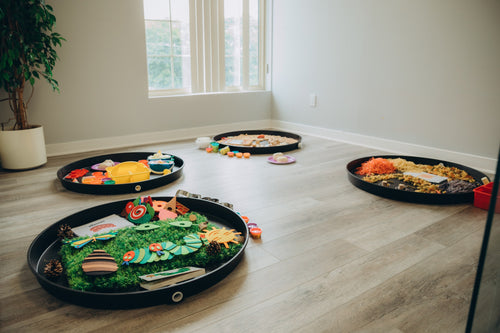
Sensory play using textures, smells, and touch
These activities help children stay regulated and engaged — essential for communication.
4. Following the Child’s Lead Using the 4 “I”s
We closely observe how each child communicates.
Educators:
-
Include the child’s interests (counting cars, sea animals pattern etc)
-
Interpret their gestures or sounds
-
Imitate actions or vocalizations
-
Intrude gently to expand interaction
If a child lines up cars silently, the teacher sits beside them and models simple language:
“Car go fast.”
“Oh! Crash!”
No pressure. Just connection.
5. Language Modelling in Every-class Moments
Instead of constant questions, we:
-
Narrate actions (you are interested in the horse, you are holding a horse card)
-
Expand what children say
-
Model emotions and sentences (you are so excited to see the horse, you are running too fast.)
- This gives children rich language input without demand.
6. Emotional Safety and Confidence Building
Children speak more when they feel safe.
We:
-
Validate emotions
-
Praise effort , behaviour, not result nor perfection
-
Teach children how to ask for help , calm techniques
- A calm brain learns better — and speech emerges more naturally.
Conclusion: Why Early Speech Delay Treatment Matters
Speech delay does not define your child. But the environment you provide can shape how confidently they grow into their voice.
Early support helps children:
-
Express themselves
-
Build confidence
-
Connect socially
- Thrive academically
At Smartizen, we combine brain science, play, structure, and heart to support speech development in a way that feels joyful — not stressful.
Call to Action
If you’re worried about your child’s speech, you don’t have to guess or Google alone.
Smartizen’s Whole-Brain Program supports children ages 0–6 through personalized, science-backed enrichment.
Book a complementary consultation or trial class today and discover how the right environment can unlock your child’s voice.