
Why Children Whose Brains Are Stimulated Early Become Exceptionally Intelligent (early education)
(Backed by science — and everyday experiences in early learning)
When we think of “intelligence,” we often imagine school performance — reading, math, problem-solving. But neuroscience shows that intelligence starts forming long before school ever begins — in the first six years of life.
These early years, often called the “golden years” of brain development, are when over 90% of the brain’s growth takes place (Center on the Developing Child, Harvard University). The brain is like soft clay during this time — every sound, touch, and experience shapes its structure.
So why are children whose brains are activated early— through enriched, responsive experiences — often exceptionally intelligent with impressive brain growth?
Let’s explore the science behind it.

1️⃣ In the first 6 years, the Brain Grows Through Connections — Millions Every Second
From birth to age six, a child’s brain forms over 1 million neural connections per second (Harvard University, The Science of Early Childhood). These connections — called synapses — are built through brain stimulation: seeing colors, hearing language, touching textures, and engaging with caregivers. See how brain grows here.
When these connections are repeatedly activated through play, reading, and conversation, the brain strengthens them — creating efficient pathways for learning, memory, and problem-solving.
In short: the more meaningful stimulation, the stronger the brain’s “wiring.”
2️⃣ Early Stimulation Builds Memory, Focus, and Emotional Control
The prefrontal cortex, responsible for attention and self-regulation, begins developing in early childhood. When toddlers are exposed to sensory play, music, puzzles, and rich language, these areas become more active.
A 2019 study from the National Institutes of Health (NIH) found that children who received early cognitive stimulation showed higher IQ scores and better emotional regulation at age 7.
This means early enrichment doesn’t just make children “smarter” — it makes them more focused, resilient, and emotionally balanced.
3️⃣ Early Learning Shapes the Architecture of Brain Development for Future Intelligence
Brains that are “activated” early literally grow differently.
MRI studies (University of Washington, 2020) show that early interactive experiences — such as serve-and-return communication — increase gray matter density in regions responsible for language and reasoning.
That’s why children who are spoken to, sung to, and read to regularly often:
✨ Speak earlier
✨ Have larger vocabularies
✨ Learn faster in school
✨ Show stronger problem-solving skills
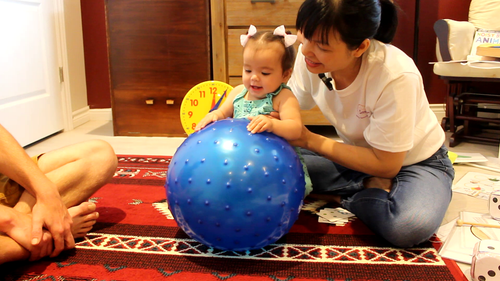
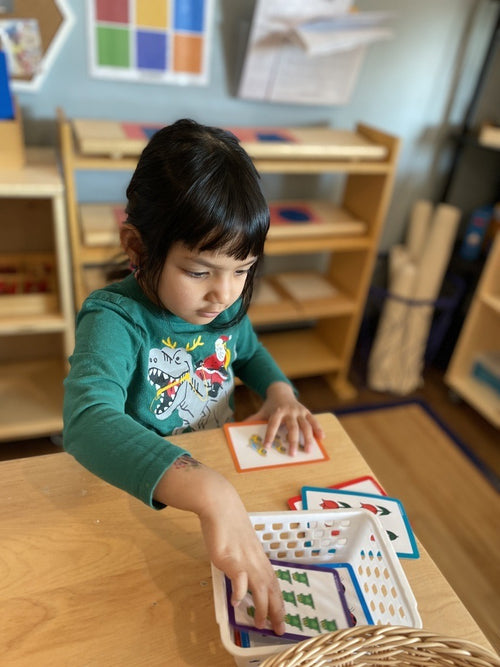
4️⃣ Early Music, Language, and Sensory Experiences Strengthen the “Whole Brain” - How To Multiply Baby Intelligence
Activities like music training, memory games, and foreign language exposure activate both hemispheres of the brain — not just one side.
🎵 Music enhances rhythm, pattern recognition, and emotional understanding.
🌍 Bilingual exposure strengthens memory and flexibility of thinking.
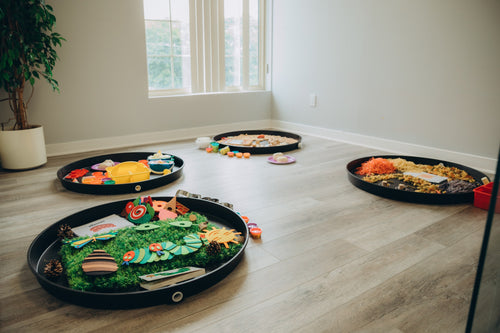
🎨 Sensory play helps integrate information from multiple senses, improving focus and creativity.
According to Frontiers in Psychology (2022), multi-sensory and language-rich environments help children develop “neural efficiency” — they process information faster and retain it longer.
5️⃣ Emotional Safety and Bonding Are the Foundation of Intelligence
Children’s brains thrive in emotionally safe environments. Positive interaction, empathy, and gentle encouragement flood the brain with oxytocin, the “trust hormone,” which lowers stress and boosts learning.
When children feel safe, they explore more.
When they explore, they learn more.
When they learn more, their brains grow stronger.
This emotional safety is the key difference between rote learning and true intelligence.
6️⃣ What Happens When We Miss This Window?
If children don’t receive rich sensory and emotional stimulation in their first six years, neural pathways can weaken or remain underdeveloped. A baby can’t be smart without early learning.
Children may later struggle with:
-
Shorter attention span
-
Delayed language
-
Poor emotional control
-
Difficulty adapting to new tasks
-
Learning gaps that are harder to close
That’s why early activation matters most — it’s not about pushing children, but about providing a stimulating, nurturing environment.
7️⃣ How Parents Can “Activate” the Brain Naturally to multiply baby’s intelligence
You don’t need expensive gadgets — just meaningful engagement.
Here’s what science recommends:
✅ Talk, read, and sing to your baby daily
✅ Provide sensory-rich play (textures, sounds, colors)
✅ Encourage curiosity — ask “What do you think will happen?”
✅ Use music, movement, and rhythm games
✅ Give your child choices to build independence
✅ Offer emotional support when they struggle
✅ Celebrate effort, not perfection
These interactions help build strong neural networks — the foundation for lifelong learning.
Children whose brains are activated early don’t become geniuses by accident — they grow up in environments that nourish curiosity, confidence, and connection.
At Smartizen, our Whole Brain Enrichment Program is designed around these principles — activating both left and right hemispheres through memory training, sensory play, music, and early language exposure.
🎥 Watch our video on how early brain activation transforms learning.
📖 Read our latest blogs on early focus and memory development.
✨ Book a trial class to experience how we nurture your child’s hidden potential.